Scar Camouflage
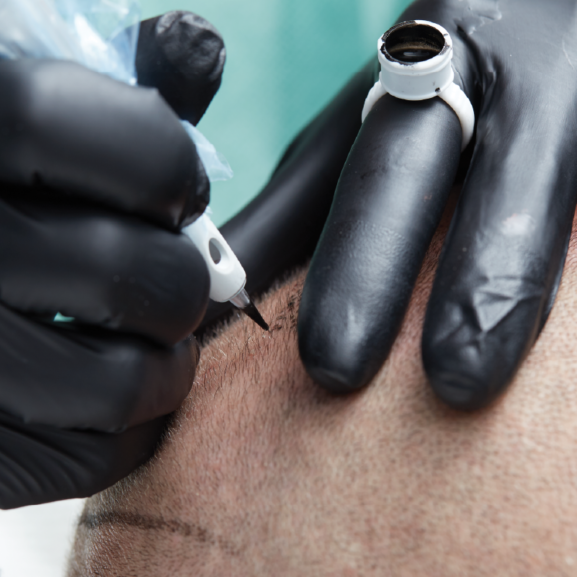
Scar camouflage is a special type of medical tattooing that helps to reduce the appearance of scars. It works by using pigments that are carefully applied to the scarred area, blending it in with surrounding skin tones and making it less noticeable. The process typically involves several treatments over a period of time, allowing for gradual improvement in the look and feel of the scar tissue. Scar camouflage can be used on any type or size of scar, including those from burns, surgery or accidents.
The first step in getting scar camouflage is consulting with an experienced cosmetic artist who specializes in this technique. During your consultation they will assess your individual situation and determine if you’re a good candidate for this procedure based on factors such as age-related changes to skin tone, location & size/depth/width etc., which could affect how successful treatment will be overall before proceeding further . After determining candidacy , they’ll work together with you to create an individualized plan tailored specifically towards achieving desired results while taking into account all relevant safety measures necessary throughout entire treatment process .
Finally , once everything has been properly planned out , then actual application begins where pigment color matching takes place so as best possible outcome can be achieved when working around existing discoloration caused by injury (or whatever else). In addition , multiple sessions may also need take place depending upon severity & complexity involved – but ultimately goal here is use specialized techniques like shading / feathering / outlining etc., so end result looks most natural possible without drawing attention away from other areas nearby (i..e not having one spot stand out more than others). All these steps combined should help achieve desired effect when done correctly – leading way smoother transition between damaged parts normal functioning ones!
Which Types of Scars Can Be Camouflaged?
Scars can be a source of embarrassment, distress and anxiety for many people. Fortunately, there are ways to camouflage them with makeup or other treatments. Depending on the type of scar you have, some may be easier to conceal than others.
Keloid scars are raised above the skin’s surface and tend to grow beyond their original boundaries. They can range in color from pinkish-purple to dark brown depending on your skin tone and typically occur after surgery or trauma such as acne lesions or piercings. Though they cannot always be completely concealed with makeup alone due their size and texture, it is possible if you use a combination of products including primer, foundation base coat followed by concealing cream that matches your natural skin tone applied over top using patting motions rather than rubbing which will help blend it into surrounding areas better without disturbing its shape too much.. Additionally laser therapy has proven effective in reducing these types of scars though results vary greatly among individuals so consulting an experienced dermatologist is recommended before beginning any treatment regimen .
Hypertrophic scars look similar but unlike keloids they remain within the boundary where injury occurred making them easier to cover up but no less visible when not camouflaged properly . Concealers specifically designed for covering up blemishes work best as they contain ingredients like silicone that helps fill in any unevenness giving more even coverage while still allowing your skins natural texture show through somewhat . For larger hypertrophic marks , dermal fillers injected directly into affected area may also prove helpful especially when combined with regular exfoliation treatments which will help reduce redness associated with scarring over time ..
Acne Scars come in various shapes sizes ranging from deep pits (ice pick) , rolling hills (boxcar) & broad shallow depressions (rolling). While most cases require professional intervention via laser resurfacing chemical peels etc., lightening creams containing hydroquinone along w/ daily application sunscreen during day & moisturizer at night should improve appearance significantly overtime although this method won’t get rid off all traces entirely thus why seeking advice from qualified medical practitioner first is highly recommended prior attempting anything else ..
Which Scar Camouflage Treatments Are Available?
Scar camouflage treatments are available to help improve the appearance of scars. These treatments can range from topical creams and ointments to laser resurfacing, dermabrasion, or even surgery. Each treatment has its own advantages and disadvantages that should be considered before undergoing any type of scar camouflage procedure.
Topical creams and ointments are often used as a first line defense against visible scars. They work by softening the outer layers of skin in order to reduce redness, inflammation, discoloration, texture changes due to scarring or other trauma-related issues such as acne or burns. While these products may provide some relief from symptoms associated with scarring they do not completely remove them nor do they address deeper structural damage caused by injury or disease processes such as stretch marks which require more advanced techniques for successful resolution .
Laser resurfacing is another option for treating visible scars which involves using short bursts of light energy on the affected area in order to stimulate collagen production and skin cell regeneration while simultaneously removing damaged tissue layers at precise depths below the surface layer allowing healthier new cells replace them resulting in smoother looking skin without blemishes being left behind after healing has occurred . Dermal abrasion is also an effective method for treating deep pitted acne scars but it does carry risks including infection , pigmentary changes ,and potential nerve damage so it’s important that you speak with your doctor about all possible side effects prior making a decision on this particular procedure . Surgery may also be recommended depending upon severity if none other methods have been successful however there will always be risk involved when going under general anesthesia so again it’s best consult your physician beforehand regarding what approach would most beneficial given individual circumstances before proceeding further down this route
What Are the Risks of Scar Camouflage Tattoo?
Scar camouflage tattooing is a relatively new form of cosmetic surgery that involves using tattoos to cover up the appearance of scars. While this can be an effective way to reduce the visibility of scars, it also carries some potential risks and complications.
The most common risk associated with scar camouflage tattooing is infection. This type of procedure requires breaking the skin in order for pigment to be inserted into it, which means there’s a chance for bacteria or other pathogens to enter and cause an infection if proper hygiene practices are not followed by both patient and practitioner during treatment. Additionally, due to its invasive nature, there may be some swelling or redness around the area after treatment which could take several days or weeks before subsiding completely depending on how well your body responds.
In addition, scar camouflage tattoos are permanent so once you have them done they cannot easily be removed without further laser treatments; therefore it’s important that you research all available options carefully before deciding whether this type of procedure is right for you as results may vary from person-to-person based on their individual healing process and lifestyle habits such as sun exposure etc.. Lastly but importantly make sure that any practitioner performing these types procedures has experience in doing so safely since improper techniques can lead not only discomfort but potentially more serious issues like allergic reactions including rashes or itching at worst case scenarios even keloid formation where excessive collagen builds up around wound sites leading thickening & discoloration over time .